Keynote Address: When Redemption and Regeneration are at the Heart of Your Impact
We need to recognize that business and society do not sit apart from nature, but within it. A lot of our problems today stem from our old model where businesses extract value from nature and people to maximise profitability, then use a portion of this profitability to try and fix the problems it caused from the extraction. Redemption and regeneration is systematically creating the conditions for all of life to thrive - this is the definition of human flourishing that we should be fighting for. Businesses and society should be growing value, not extracting more than they add. From extraction to redemption, from neutrality to regeneration - this is the mother of all impact.
Building redemptive enterprises starts with the redemptive leader. They elevate people instead of exploit and restore instead of replace. Redemptive business models are pricing with justice, stakeholder governance, living wages, and regenerative design. This changes the human energy in the organisation and transforms the culture, as employees become asset builders, instead of just salary recipients. Redemptive leaders approach poverty not merely as a material deficit to be fixed with charity, but as a complex and systemic condition requiring holistic restoration and community transformation. They know that the greatest ROI isn't financial, its who's behind the financials. This is not a philosophy, but a sustainable business model.
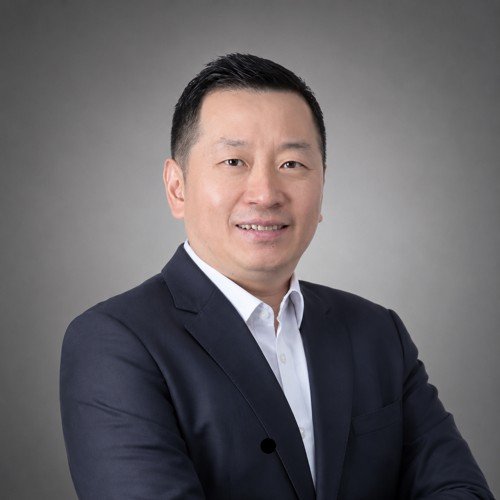
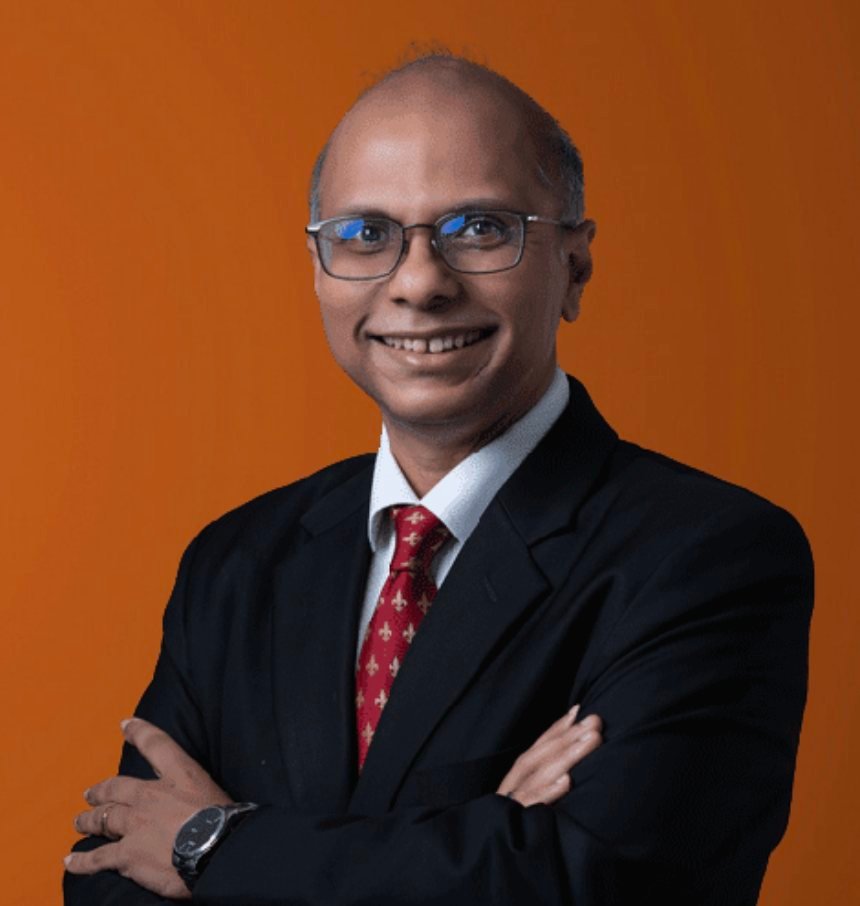
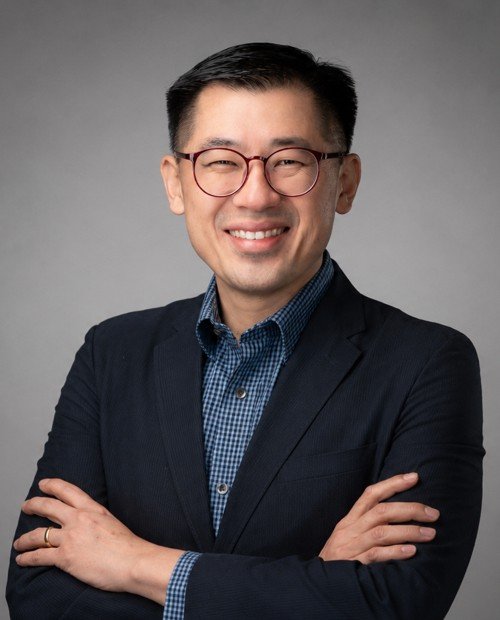
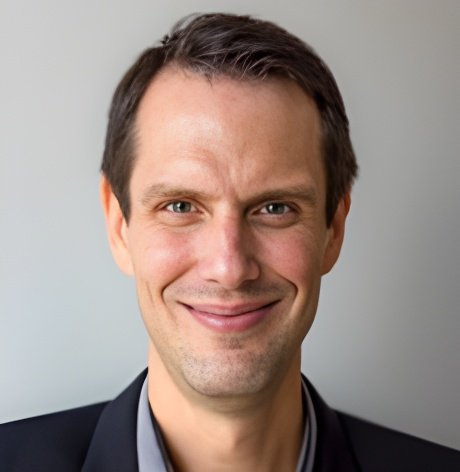
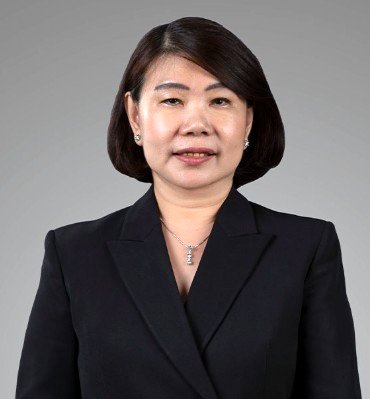
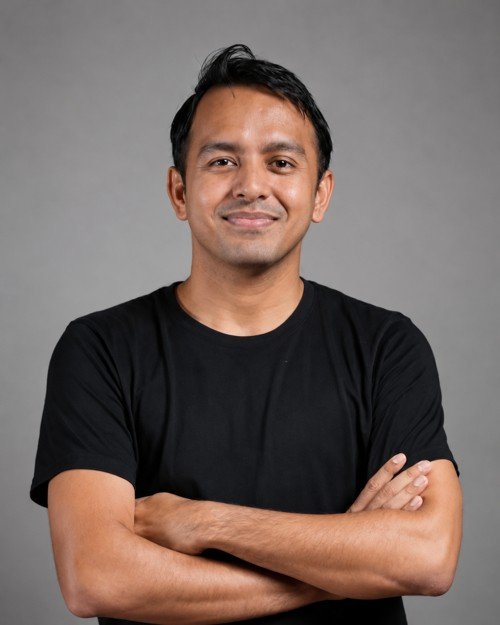
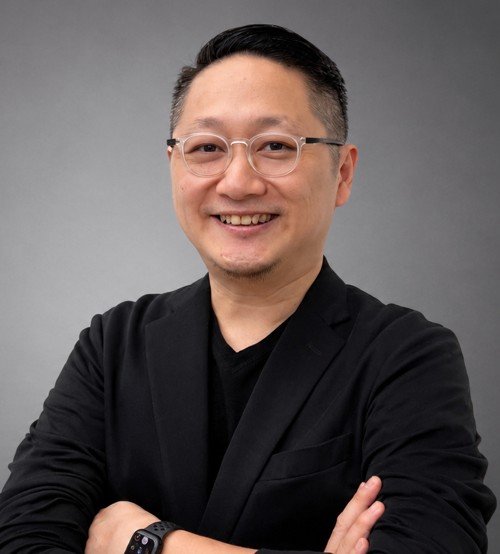
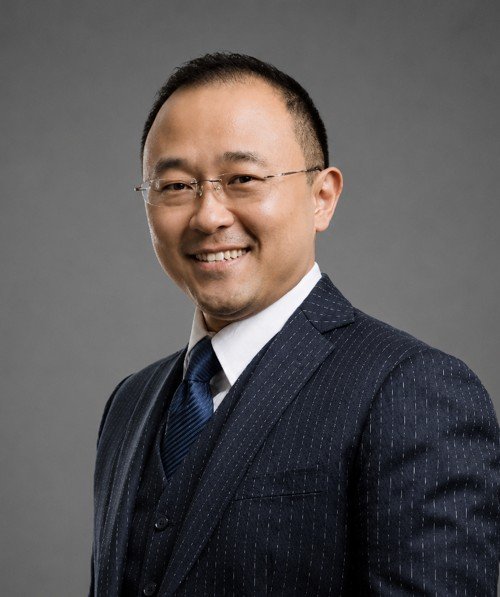
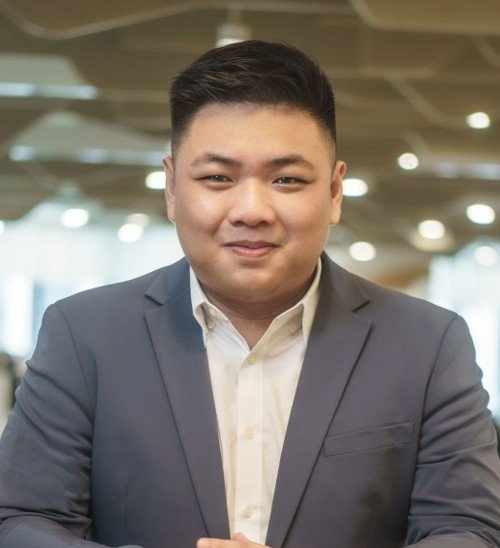
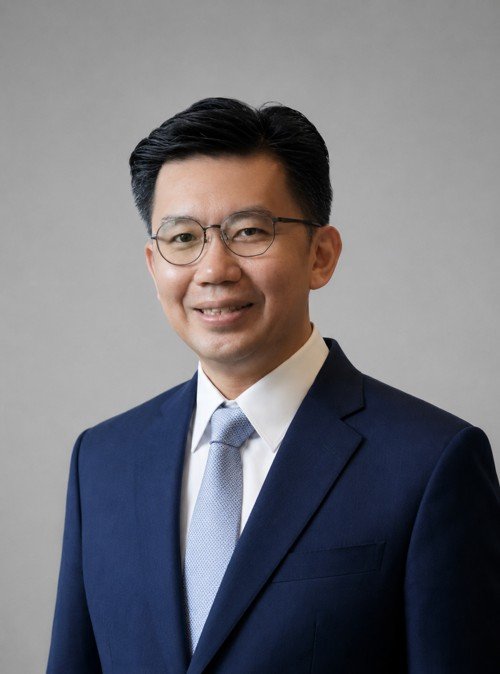
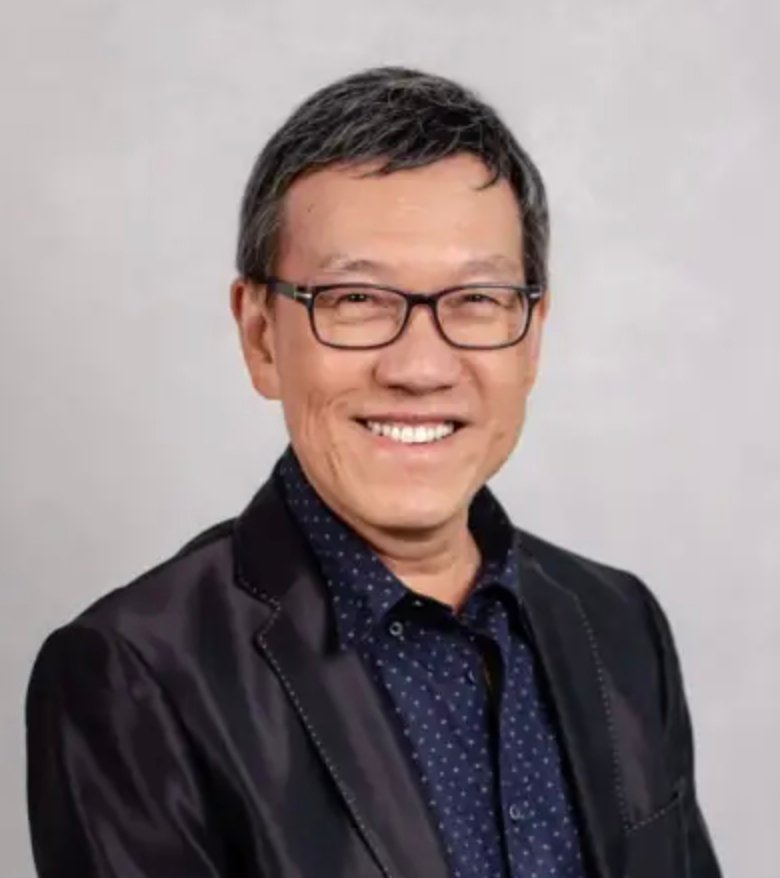
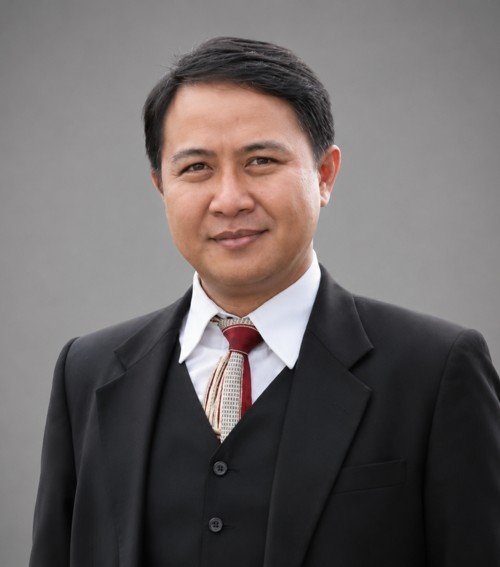
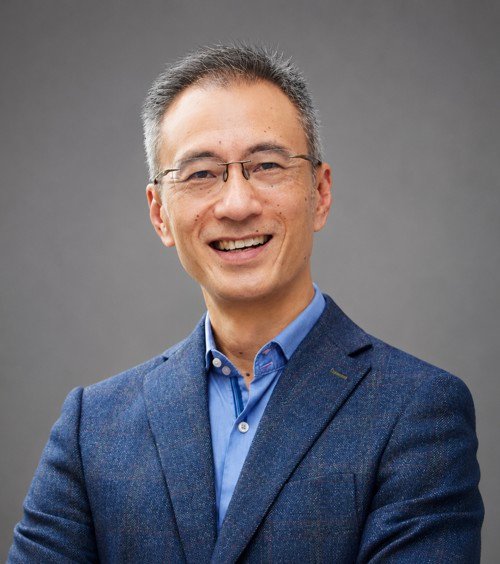
David Tjokrorahardjo President, Maxwell Leadership Indonesia
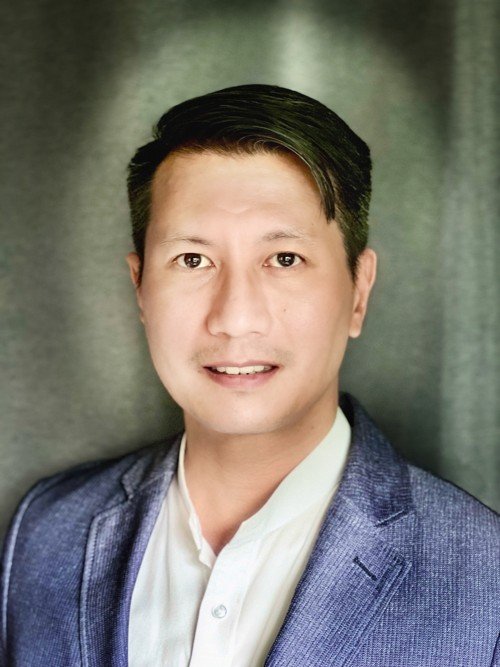
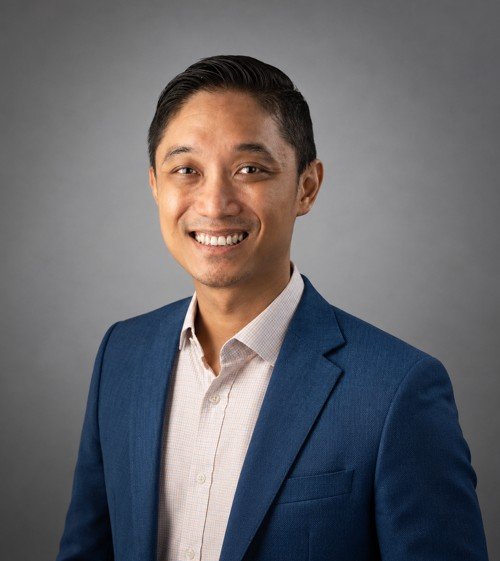
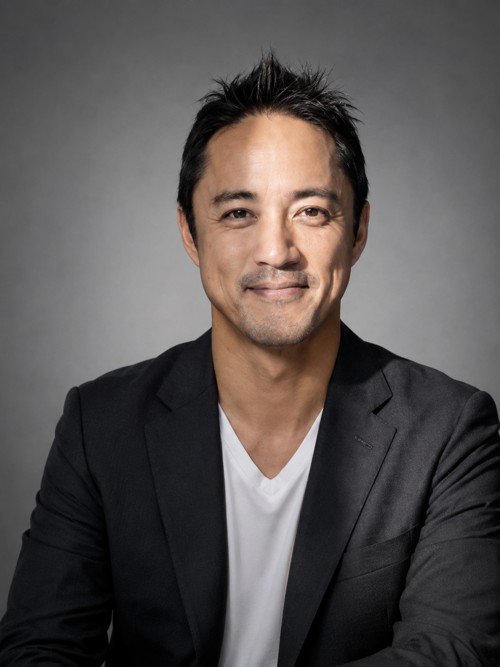
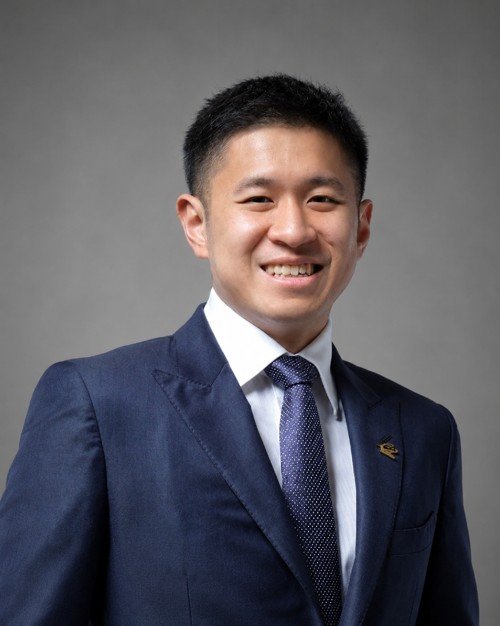
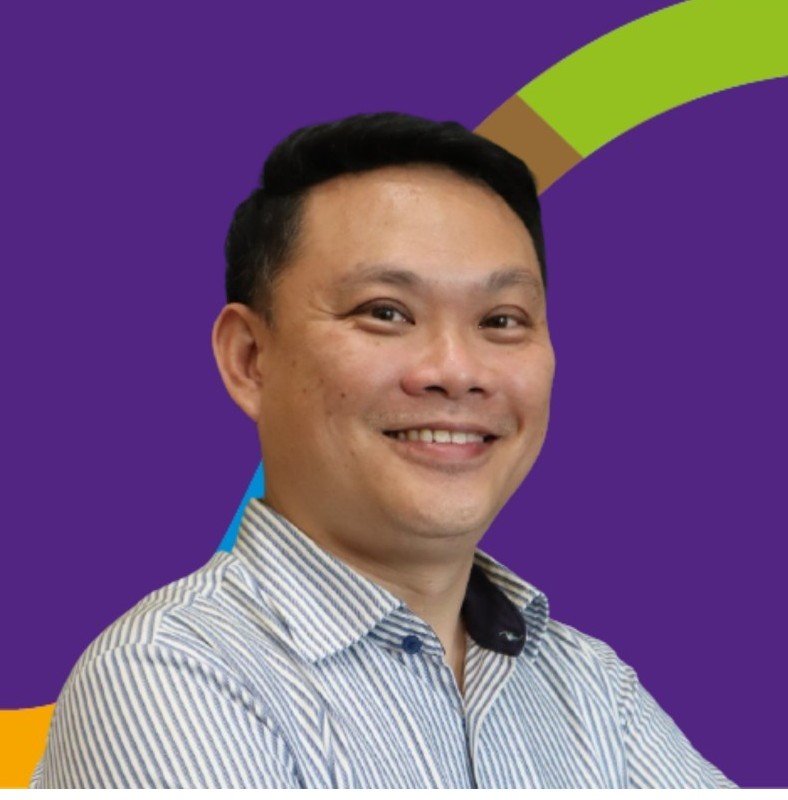
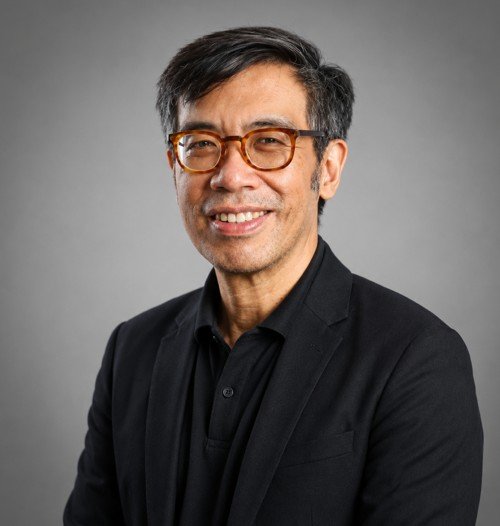
Mark Tovell Director of Operations, Telunas Resorts
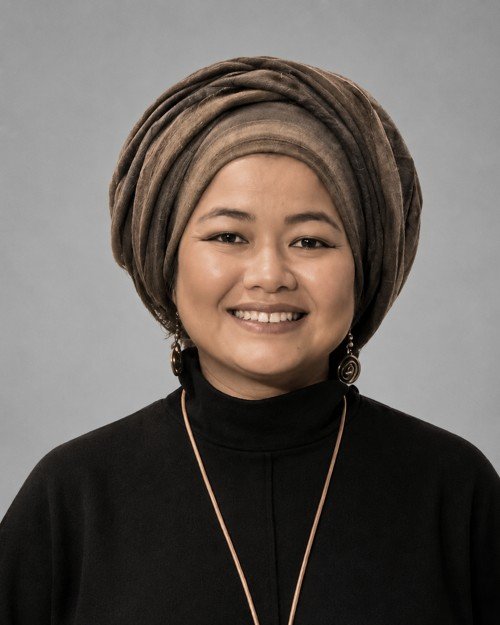
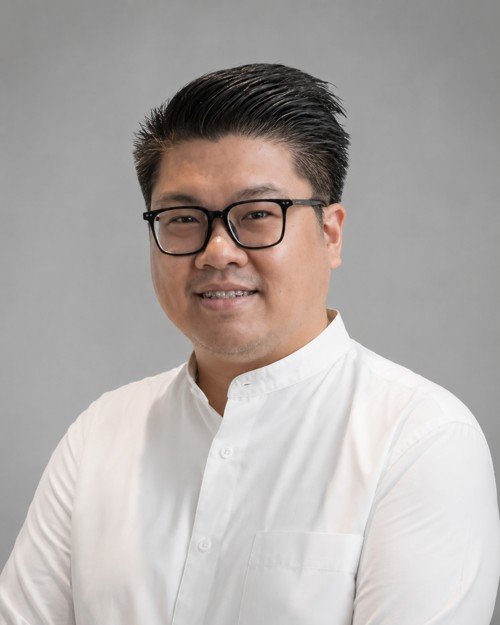
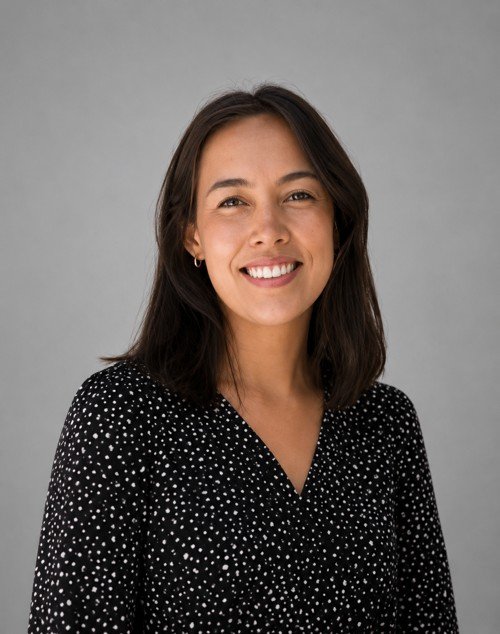
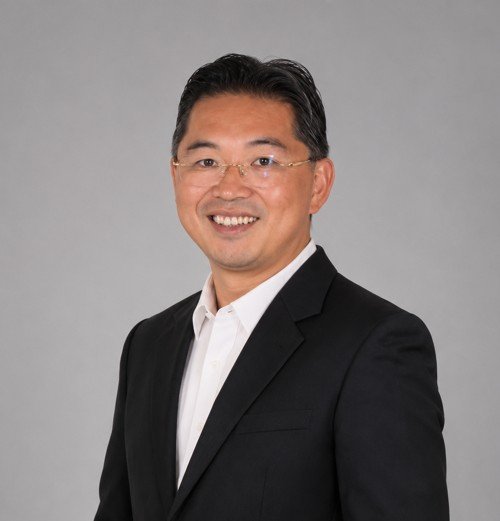
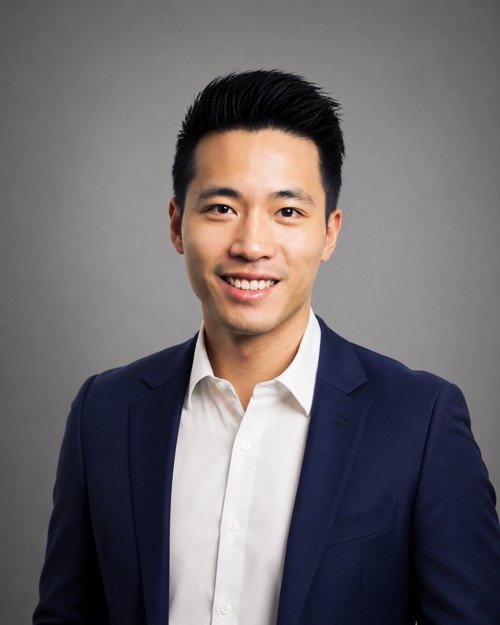
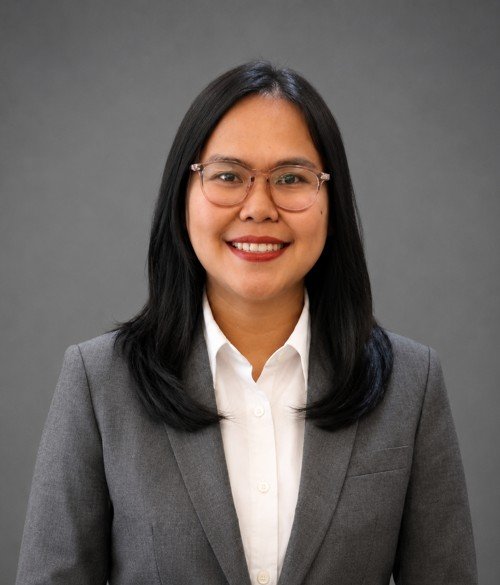
Tamara Gondo CEO, Liberty Society
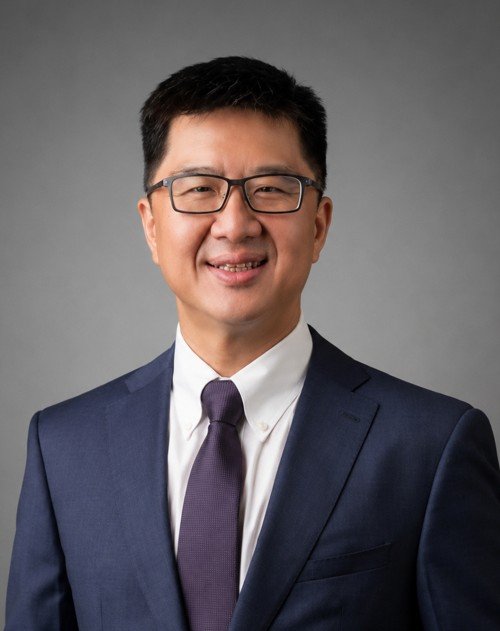
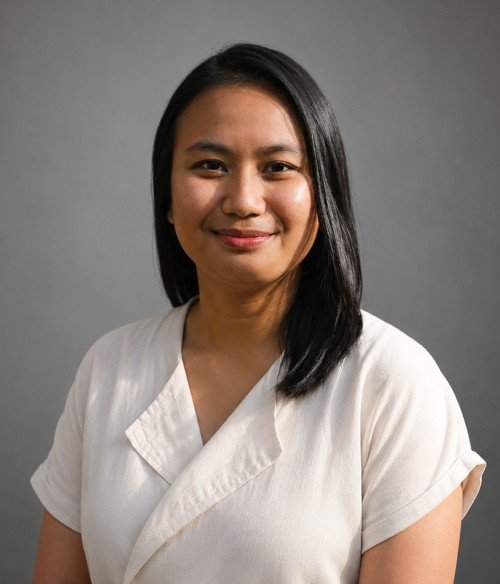
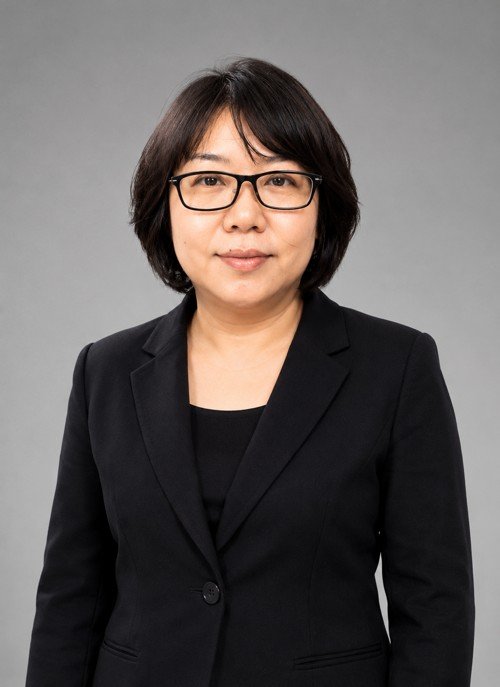
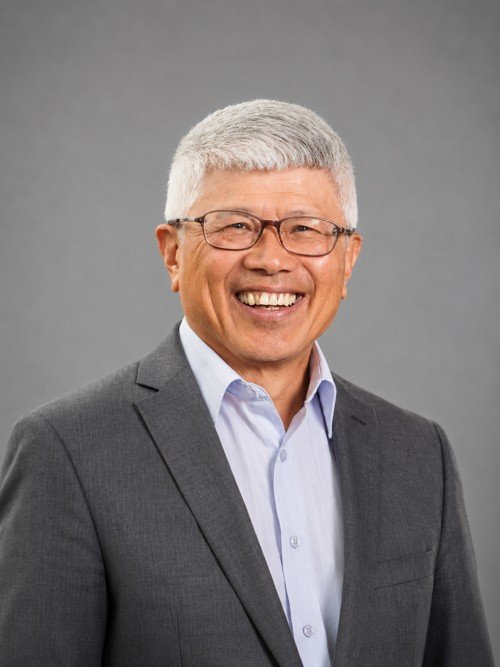
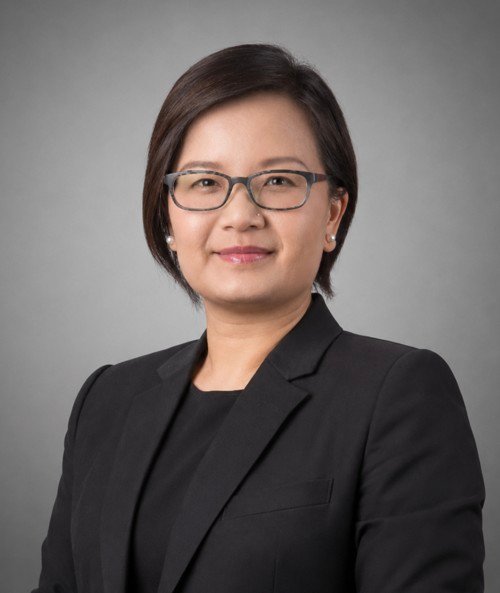
Moderator Kent E. Sitaca Consultant, Catharsis Management and Consulting
10:45am - 11:05am
Inspire Me: Reaping Redemptive Returns
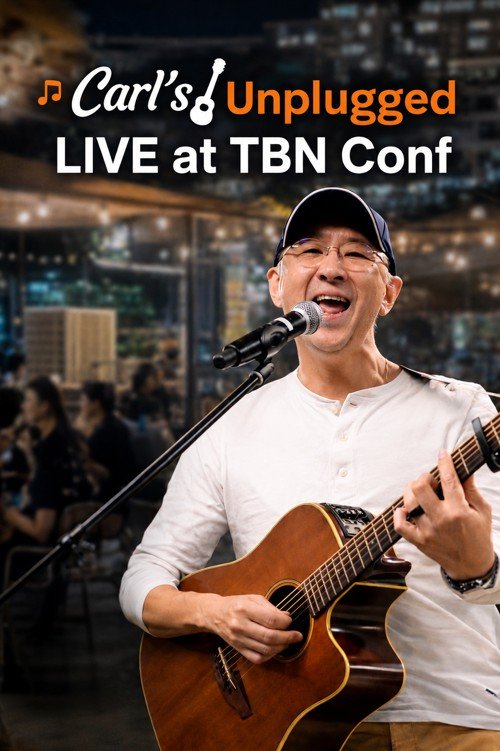
We're obsessed with financial returns. In our advanced and innovative world, talking only about financial returns is so one dimensional and frankly, not good enough. When we invest into a company whether directly or indirectly, we own a piece of it, and so become owners. As owners, are you proud of your business and does it reflect your values? If your business exploits workers and/or child labour, you cannot pawn off this injustice simply through the layers of a supply chain. We are responsible for what our investments do, so let's aim higher and demand better quality returns that restore, instead of only renumerate. Carl will share how he fights social injustice through his social impact investments.
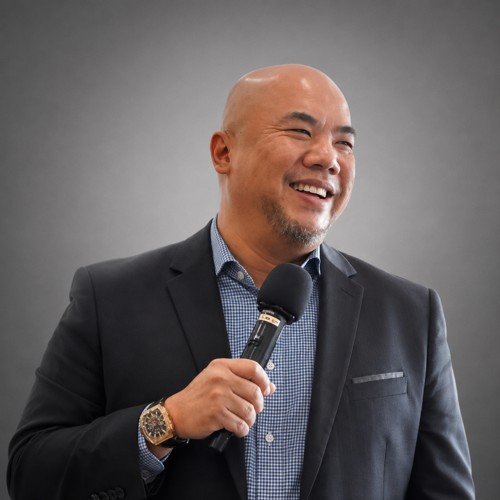
Dr. Carl Thong Founder, Sunstone Group
11:05am - 11:30am
Morning Tea Break
11:30am - 12:25pm
Plenary: Roots to Renewal - Scaling Regenerative Impact
When we talk about regenerative impact, we go straight to agriculture, and to its application. While this addresses the symptom, it doesn't address the cause. Systemic change begins with education. Regenerative practices like crop rotation, biodiversity management and soil health needs to be taught. Indigenous knowledge tends to be overlooked, but its years of wisdom is very helpful to inform modern solutions and it is also sustainable. Regenerative farming not only heals the land, it produces a healthier and more equitable food system which is key to global food security. It also revitalizes rural economies by decreasing cost and increasing yield stability against climate volatility, and transforms communities. This benefits farmers, consumers and the environment.
Amri Ilmma CEO, Edufarmers International Foundation
Erida Djuhandi Director, Triputra Group
Helianti Hilman Founder, Javara
James Yin Co-Founder / Director, V-Plus Agritech Pte. Ltd.
Moderator Redza Shahid Assistant Director, Asia School of Business
12:25pm - 01:25pm
Plenary: Impact AI - Not Automation, But Augmentation
As AI reshapes our labour market, it is as much a management transformation as it is a digital one, because ultimately, AI is a tool, not the master. The real impact of AI isn't job elimination, but human augmentation, understanding this strategic shift will provide clarity on how the technology actually drives business value. Companies who know how to redesign roles such that AI replaces tasks not jobs, moving from pure cost cutting to disruptive problem solving will be the winner in the long run. This is the redeeming quality of AI - its capacity to augment human potential so that we can all raise our levels.
Alfred Boediman Partner, SJS Partners
Alfred Poon Co-Founder, Withdata
Isaac Munandar CEO & Co-Founder of MAXY Academy
Riady Gozali Managing Partner, Vest Capital
Moderator Paul Loo Founding Member, Advisors Collective
01:25pm - 02:45pm
Lunch
02:45pm - 04:15pm
Interactive Workshops
Workshop 1: TBN Americas Social Investment Simulation - Kuzuko Lodge
Kuzuko Lodge is the flagship social investment of Transformational Business Network in the greater Addo region of South Africa. In this workshop, participants step into the game reserve to evaluate it as an active investment decision through the lens of different funding mandates. By working through a real deal with real tradeoffs, participants can apply their understanding of capital instruments, engage honestly with their own risk and return expectations, as well as integrate governance and impact measurement into investment recommendations that goes beyond just financial analyses.
Renée Ramirez Latin America Program Director, TBN Americas
Workshop 2: Regenerative Businesses - The Sea Bass Challenge
Regenerative Future Games (RFG) is a series of experiential learning programs developed by Earth Company. Through an interactive format, RFG explores regenerative thinking in social and engaging ways. The Sea Bass Challenge is based on a real story in Japan. Using the first Fishery Improvement Project (FIP) in Japan, the game explores and designs regenerative business models to achieve the goals of financial sustainability and ecosystem regeneration. Participants will step into stakeholder roles and experience the system from within, shifting from sustainability to regenerative thinking. The Sea Bass Challenge won the Good Design Award 2025 given out by the Japan Institute of Design Promotion (JDP).
Tomo Hamakawa Co-founder and Chief Exploration Officer, Earth Company
Yulfitri (Tya) Pramatatya Program Manager, Earth Company
Workshop 3: PitchX - The Future of Training for Investment Readiness
PitchX by ThinkX Global is an AI-powered pitch readiness platform that helps founders and entrepreneurs train for investor meetings. Users upload their pitch decks, record their presentations, and answer questions from a simulated investor to receive a quantitative "Pitch Readiness Score" along with specific, actionable feedback on both their deck and delivery. The platform features an automated interaction pipeline that provides a risk-free environment for entrepreneurs to practice before speaking to actual venture capitalists or grant panels. Pitch, get scored, fix it, and go again. Join this workshop to try it for yourself. As they say, the future belongs to those who pitch it.
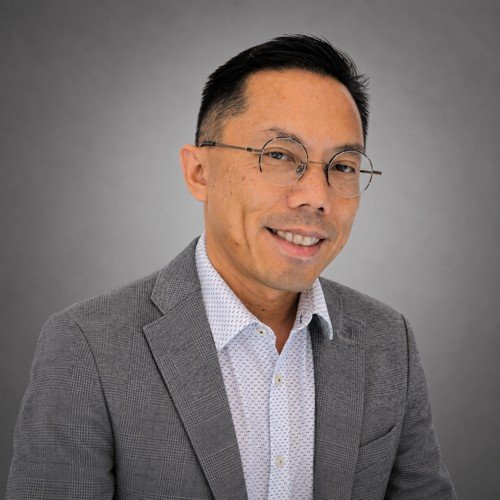
Lim Wei Liang Founder and Managing Director, ThinkX Global
04:15pm - 04:40pm
Afternoon Tea Break
04:40pm - 05:40pm
Plenary: Redemptive Finance
Redemptive finance focuses on creative restoration on what is broken, and renewing people and systems, instead of simply profit maximization or minimizing damage. It transforms financial resources into tools for mutual flourishing and community strengthening, instead of just accumulation. The first step is to shift from an ownership mindset to a stewardship mindset, deploying capital not just for personal gain, but stewarding it for the greater good. A restorative mindset views people and problems through a lens of restoring potential, rather than controlling outcomes or prioritizing efficiency.
Cipta Ciputra Harun Director, Ciputra Group
Douglas Yamashita Business Developer, Business for Transformation Indonesia
Pei Lee Executive Director, Malaysian Generosity Circle
Raymond Tan Private Banker
Moderator Jeremy Han Director of Corporate Strategy, Adam Khoo Learning Technologies Group
05:40pm - 06:00pm
Inspire Me: Envisioning the Future - the Power of Place-based Impact Investing to Create Sustainable Urban Regeneration
Place-based impact investing (PBII) views investments as living, breathing parts of a city, rather than just asset classes. This approach creates a "multiplier effect" where local spending, job creation, and sustainable infrastructure feed directly back into the community's prosperity. Bridging macro capital with micro neighbourhoods, this community-led development empowers local residents, builds local resilience, and is a pathway to equity, wellbeing and regeneration. Brightlight Impact's Te Puna Hapori ("Spring of wellbeing") Community Infrastructure Strategy uses PBII to transform communities, shifting power from external to local, and enabling local people to realize their own dreams for their communities. Ultimately, PBII invests in our collective ability to thrive and flourish, including for marginalized communities.
Benedict Foo Director, Brightlight Group
06:00pm - 06:10pm
Closing Remarks
Dato Dr. Kim Tan Chairman, SpringHill Management
06:10pm - 06:30pm
Announcement and Photo Taking
06:30pm - 07:00pm
Marketplace Exhibitor Booths
07:00pm - 09:00pm
Welcome Dinner
Special Performance Dr. Carl Thong Founder, Sunstone Group
Keynote Address: Cultural Capital - the Trust Multiplier you didn't know you needed
We love the words "connect" and "trust-based". But how can we connect meaningfully or practise trust-based philanthropy without understanding how people connect, work and make decisions? Cultural capital is the non-financial asset that reduces transactional friction, builds social cohesion, bridges differences, and provides the shared trust plus vision needed to scale any form of capital - whether financial, social or intellectual. When culture is strong, it transforms isolated transactions into lasting relationships and empowers a community to grow together, creating an "invisible glue" that is the resilience that will hold the community together during a downturn, while fracturing a less connected group. In high-trust cultures, trust is the multiplier that enables success. That's when we can then talk about trust-based philanthropy.
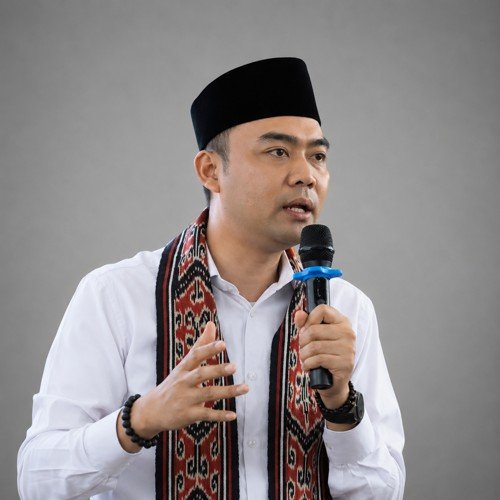
Dr Gugun Gumilar Special Staff to Indonesia's Minister of Religious Affairs
09:55am - 10:55am
Plenary: Interfaith Collaboration - Weaving the strongest tapestry for human flourishing
Interfaith collaboration strengthens social cohesion because when diverse groups come together, the resulting social fabric is highly resilient producing the foundation that is needed to drive economic growth, better public health, and unlocks collective wisdom. Without it, structure and strategy collapses. We tend to think that programs will run on their own, and people run only on structure and roles. But in reality, its the quality of the social fabric that holds us together, and when this is strong, it can overcome poor design and crises. In this safe environment, human flourishes and communities thrive. Instead of silos, we become co-creators in a society that's woven together from trust, interdependence, and shared values, like a piece of beautiful batik.
Chan-Hoong Leong Senior Fellow and Head of Social Cohesion Research, S. Rajaratnam School of International Studies, Nanyang Technological University
Prof. H. Hilman Latief, M.A., Ph.D. Treasurer General, Muhammadiyah Central Board
Puansari Meilina Siregar Senior Program Manager, Leimena Institute
Vincent Jaya Saputra Treasurer General, Indonesian Conference on Religion and Peace
Moderator Patsian Low Managing Partner, Humanity Assist LLP
10:55am - 11:25am
Inspire Me: The Price of Redemptive and Regenerative Impact
We love the romance of redemptive and regenerative impact. As with everything in life - even the good things, there is a cost. We learnt in economics that there is always an opportunity cost. The seismic shift to achieving redemptive and regenerative impact is when our values align accordingly. So re-evaluating what is the meaning of VALUE and what makes up our value systems is where we need to start. Diving straight into the action when values are misaligned would be like trying to fit a round peg into a square hole. You will be constantly asking the wrong question: what is my return? Everyone wants impact, but are your values aligned? If yes, then you'll understand that returns are both financial and social. not one over the other, nor one or the other. When we measure impact, are we looking at better numbers, or better lives?
Calvin Yeo Co-founder and Principal Consultant, Cadence Culture
Eddie Emmanuel Eng Co-Founder and Principal Consultant, Cadence Culture